
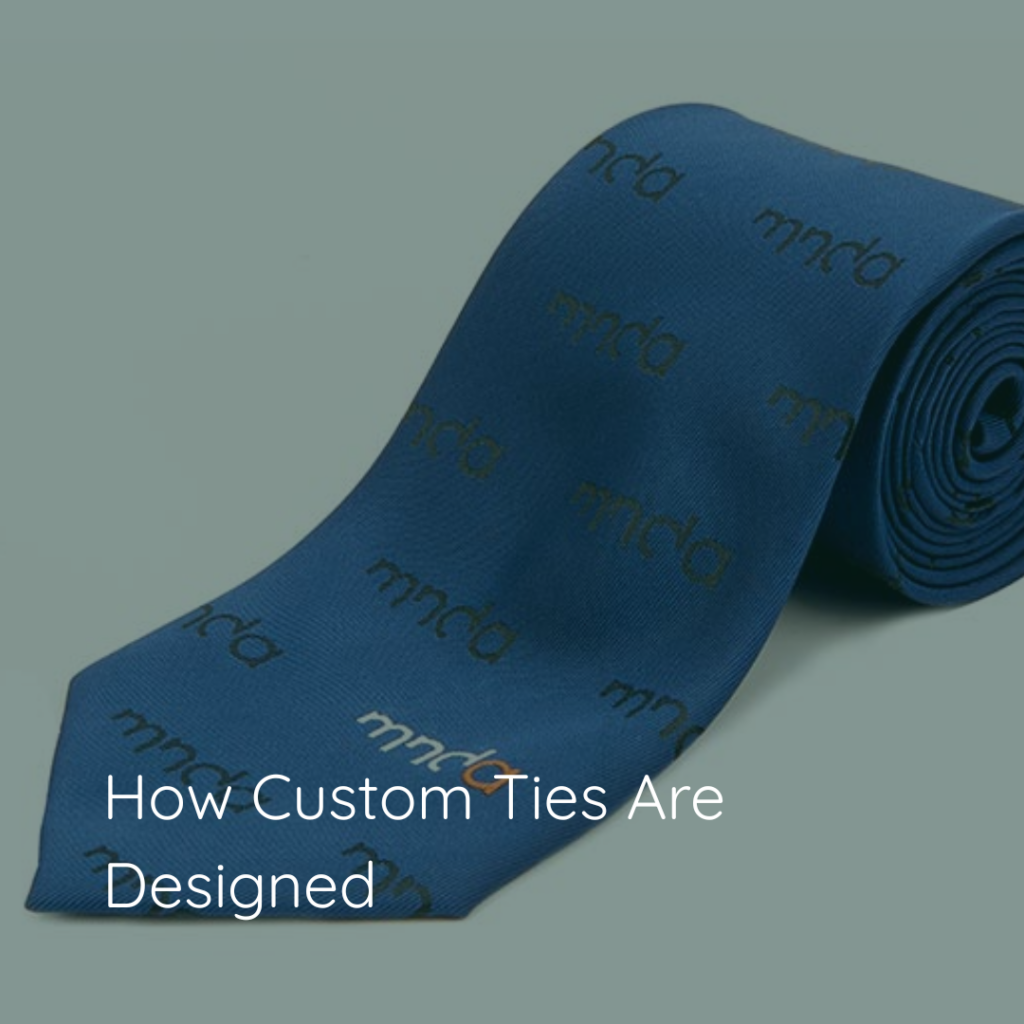
Every custom tie starts with an idea. It might be a school wanting to incorporate its colours and crest, a sports club celebrating its heritage, or a business looking to create a professional, recognisable identity.
But how does an initial design become a finished tie?
Creating custom ties involves more than choosing colours and adding a logo. From developing the initial concept to selecting fabrics, refining artwork and approving the final design, each stage plays an important role in the finished product.
At James Morton Ties, we’ve helped organisations across the UK create bespoke ties for decades. Here’s how the custom tie design process works and what to consider along the way.
Step 1: Sharing Your Ideas
The design process begins with understanding what you want your tie to represent.
Some organisations already have a complete design in mind, while others start with a company logo, school crest, club colours or a particular style they like.
You don’t need to have everything worked out before getting started.
Our design team can help you explore options such as:
- Colours: Choosing shades that reflect your organisation’s identity or existing branding.
- Patterns: From traditional stripes and repeating motifs to more contemporary geometric designs.
- Logos and crests: Incorporating recognisable symbols that represent your school, business or club.
- Overall style: Deciding whether the tie should have a traditional, formal or more modern appearance.
For example, a sports club may want to incorporate its established colours into a striped design, while a company might prefer a more understated pattern featuring a small repeating logo.
If you’re still exploring ideas, you can design your own tie online using our interactive tool. It’s a useful way to experiment with different colours and patterns before discussing your requirements with our design team.
Step 2: Refining the Design
Once the initial concept is established, the next step is turning your ideas into a design that works on a finished tie.
This involves more than simply transferring an image onto fabric.
The design needs to consider the size and placement of patterns, the visibility of logos, the selected colours and how the details will appear when woven or printed.
Choosing Colours and Patterns
Colour consistency is particularly important for organisations with established branding.
James Morton can work with Pantone colour references, helping organisations communicate their required colours accurately during the design process.
Patterns also need careful consideration. A design that looks effective on a computer screen may need adjustments to work on the narrower shape of a tie.
For instance, a detailed crest might need to be simplified, or the spacing between repeating motifs adjusted to create a balanced appearance.
Selecting the Right Fabric and Finish
The choice of fabric can influence the appearance, texture and overall feel of a custom tie.
Different materials and weaving techniques create different finishes, so it’s worth thinking about how and where the tie will be worn.
A tie intended for regular school or corporate use may have different practical requirements from one created for a commemorative event or presentation.
You can explore more about the manufacturing process on our custom tie manufacturer page.
Our team can advise on suitable options based on the design, intended use and requirements of your organisation.
Step 3: Reviewing and Approving Your Design
Before production begins, you’ll have an opportunity to review the proposed design.
This is an important stage, particularly when creating ties for an organisation where colours, logos and other details need to be represented accurately.
When reviewing your design, consider:
- Are the colours consistent with your organisation’s identity?
- Is the logo or crest clear and correctly positioned?
- Does the overall pattern look balanced?
- Will the design suit the people and occasions it’s intended for?
- Are there any final details you’d like to adjust?
Taking the time to check these elements helps ensure the finished ties meet your expectations.
At James Morton Ties, we provide a free, no-obligation design service, allowing you to explore and refine your ideas before committing to an order.
Step 4: Manufacturing Your Custom Ties
Once the final design has been approved, your ties can move into production.
Depending on the chosen specification, the manufacturing process involves preparing the fabric, reproducing the approved design and constructing the finished ties.
Attention to detail is essential throughout this stage.
For woven designs, the fabric construction must reproduce colours and patterns consistently. The finishing process is equally important, helping create ties that look professional and are comfortable to wear.
Whether you’re ordering ties for a school, business, sports club or membership organisation, consistency across the finished collection is particularly important.
You can learn more about the available design and manufacturing options on our tie manufacturer page.
What Makes a Successful Custom Tie Design?
A well-designed custom tie should do more than look attractive. It should reflect the identity of the organisation wearing it.
There are a few practical considerations worth keeping in mind.
Keep the Design Recognisable
For organisations with established colours, crests or branding, the tie should feel like a natural extension of that identity.
This doesn’t necessarily mean including every element of a logo. Sometimes, a simple colour combination or repeating motif can create a stronger design.
Think About How the Tie Will Be Worn
A tie for everyday staff uniforms may need a subtle, versatile design, while a commemorative club tie can incorporate more distinctive details.
Thinking about its intended use early in the process makes it easier to select appropriate colours, patterns and finishes.
Consider Matching Accessories
If you’re creating ties for an organisation, you may also want to explore matching scarves, cufflinks or other accessories.
Using consistent colours and design elements across different products can help create a coordinated appearance, particularly for corporate teams, clubs and formal occasions.
For more ideas, read our guide to matching custom ties with scarves and accessories.
Working with an Experienced Custom Tie Manufacturer
Developing a custom tie involves several decisions, from the initial artwork to the choice of fabric and production method.
Working with an experienced manufacturer can make these decisions easier.
At James Morton Ties, our team guides customers through the design and manufacturing process, helping organisations turn their ideas into finished products.
Whether you have a detailed design brief or are starting with just a few ideas, we’re here to help you explore the options.
Our custom tie orders start from a minimum quantity of 30 ties, making the service suitable for organisations looking to create a coordinated collection.
Ready to Design Your Own Custom Tie?
Whether you’re creating ties for a school, business, sports club or special event, James Morton Ties can help bring your ideas to life.
You can start by using our online tie designer to experiment with colours and patterns, or request a free, no-obligation quote to discuss your requirements with our team.
From the first idea to the finished product, we’re here to help you create a tie that represents your organisation.