
Ordering custom ties should be straightforward, but a few common mistakes can lead to disappointing results. Whether you are buying corporate branded ties, school ties, or club ties, getting the basics right will help you avoid wasted budget, delays, and design regrets.
A bespoke tie is more than just an accessory. It represents your brand, organisation, or institution, so it needs to look smart, wear well, and feel appropriate for the people using it.
Here are five mistakes worth avoiding before placing your order.
1. Making the Design Too Complicated
One of the biggest mistakes is trying to include too much in the design.
Ties have limited visible space, so too many colours, logos, stripes, or small details can make the finished product look crowded. What works on a screen does not always work once woven or printed onto fabric.
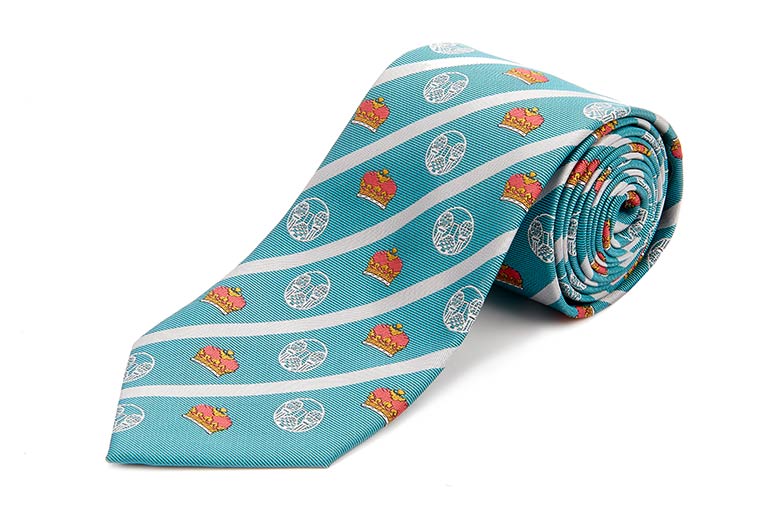
In most cases, the best custom ties are built around one strong idea. That could be a clean stripe, a repeating woven logo, or a simple crest placed well within the design.
A simpler tie design usually:
-
looks more professional
-
stays readable from a distance
-
feels more timeless
-
translates better into production
If a design needs a lot of explanation, it is probably trying to do too much.
2. Choosing the Wrong Fabric
Fabric affects the look, feel, durability, and cost of a custom tie, so it should never be an afterthought.
Different fabrics suit different uses:
-
Silk gives a more premium finish and is often used for executive or corporate ties
-
Polyester is durable and practical, making it a good choice for schools and frequent wear
-
Recycled fabrics are ideal for organisations that want a more sustainable option
The right fabric depends on who will wear the tie and how often. A luxury silk tie may be ideal for formal corporate use, but not always the best fit for a school or sports club that needs hard-wearing uniform items.
Before choosing the material, it helps to ask:
-
Will the ties be worn daily or occasionally?
-
Is appearance or durability the top priority?
-
Does the organisation want a premium or practical finish?
-
Is sustainability important?
These questions can save you from choosing a material that looks right in theory but does not perform well in real use.
3. Not Understanding Woven vs Printed Ties
Another common mistake is choosing a production method without understanding how it will affect the final result.
Woven ties have the design built into the fabric itself. They often feel more traditional and premium, and they work especially well for:
-
stripes
-
repeating logos
-
club ties
-
school ties
-
corporate identity designs
Printed ties have the design applied to the surface of the fabric. They can be a better option for:
-
more detailed artwork
-
complex illustrations
-
brighter or more intricate visual concepts
Neither option is automatically better. It depends on the design and the purpose of the tie.
A good tie manufacturer should guide you here. Choosing the right method early on helps make sure the finished ties look as good in reality as they do in the original artwork.
4. Leaving the Order Too Late
Custom tie orders take time, especially when the design is fully bespoke.
There is usually a process that includes design discussion, artwork approval, fabric selection, production, and delivery. If the order is left too late, it can create unnecessary pressure and lead to rushed decisions.
This often happens when ties are needed for:
-
a school term
-
a rebrand
-
an event
-
a uniform launch
-
a club anniversary
Leaving enough time means you can review the design properly, choose the right fabric, and order the correct quantity without feeling rushed.
It also gives your supplier time to advise properly rather than simply pushing an order through quickly.
5. Focusing Only on Price
Budget matters, but the cheapest option is not always the best value.
Low-cost custom ties may look fine at first, but poorer materials or weak construction often show up quickly in wear. Problems such as poor stitching, weak interlining, and loss of shape can make a tie look tired much sooner than expected.
A well-made bespoke tie should:
-
knot neatly
-
hold its shape
-
maintain colour
-
feel comfortable to wear
-
reflect well on your organisation
It is better to think in terms of long-term value, not just initial cost. A slightly higher-quality tie can often deliver a better impression and a longer lifespan, which makes it a smarter investment overall.
What to Check Before Ordering Custom Ties
Before placing your order, it helps to review a few basics:
-
Is the design clear and suitable for a tie?
-
Have you chosen the right fabric for the intended use?
-
Do you need woven or printed ties?
-
Are your timelines realistic?
-
Have you ordered a sensible quantity?
-
Are you choosing based on quality as well as price?
These points may seem simple, but they often make the biggest difference to the final result.
Final Thoughts
Ordering custom ties does not need to be complicated, but small decisions can have a big impact. A clean design, suitable fabric, realistic lead time, and good manufacturing quality all help ensure the finished ties look professional and last well.
At James Morton Ties, we help clients make the right choices from the start, so the process feels straightforward and the final product reflects their organisation properly.
FAQs
What is the best fabric for custom ties?
It depends on the use. Silk is ideal for a premium finish, polyester is practical for daily wear, and recycled fabrics suit organisations focused on sustainability.
Are woven ties better than printed ties?
Not always. Woven ties are often better for stripes and repeating logos, while printed ties can suit more detailed artwork.
How long do bespoke tie orders take?
Lead times vary, so it is always best to order early, especially for events, rebrands, or schoolwear.
How many custom ties should I order?
That depends on your current needs, future demand, and whether you want spare stock for replacements or new starters.